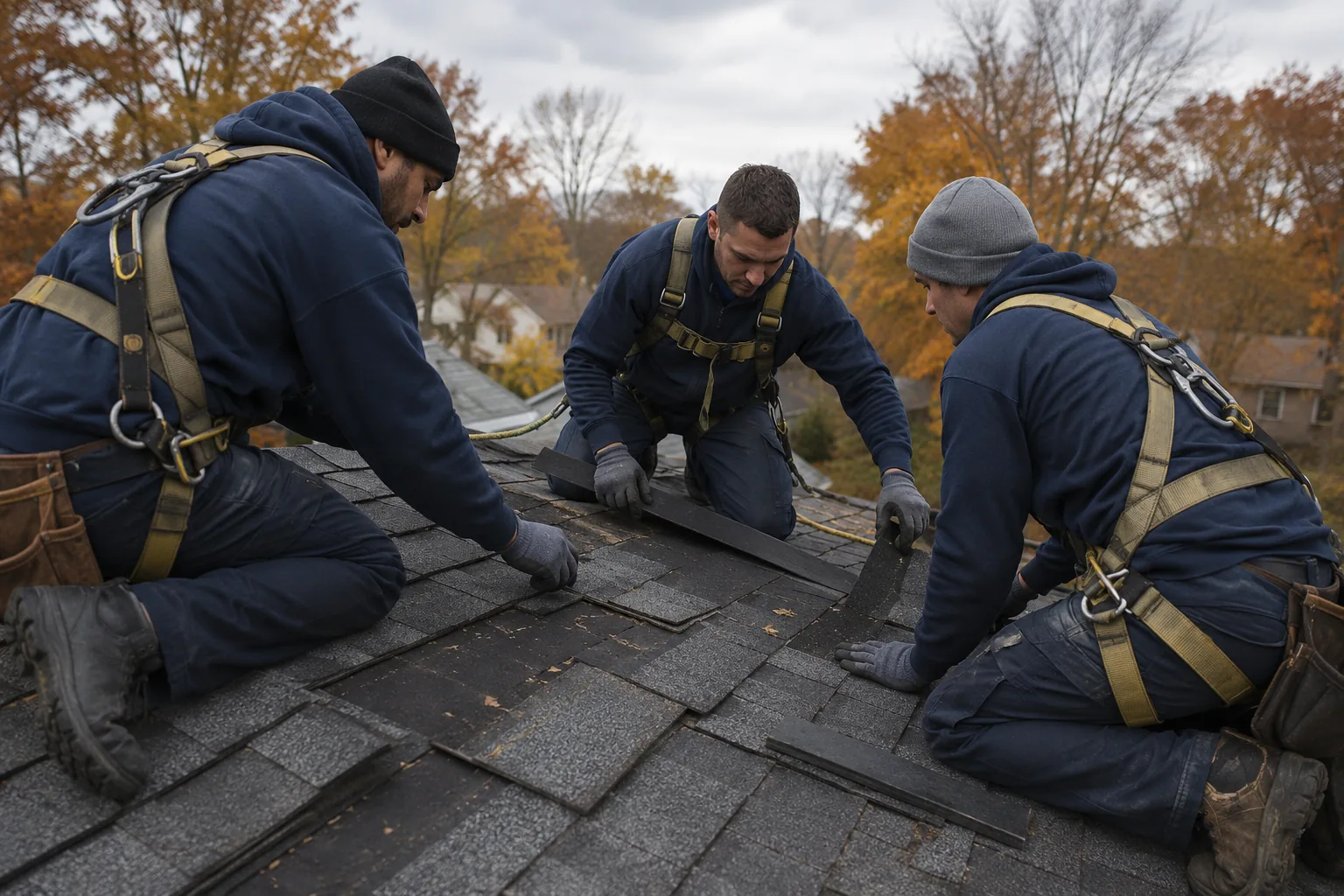
Photos can make a maintenance request easier to understand, but only when they are clear, relevant, and stored with the correct work order. A good image should help a technician find the issue and compare the condition before and after repair.
Capture context and detail
Take one wide photo showing the room or exterior location, then a closer image of the specific condition. Include a fixed landmark or unit number only when it is appropriate and safe. Avoid relying on digital zoom, filters, or an image that hides scale. Add a short written note describing what the photo cannot show, such as an intermittent sound or odor.
Document before and after
- Save the date, time, property, and work-order number in the record.
- Photograph the original issue before moving items or beginning work, if safe.
- Take completion photos from a similar angle and note any follow-up needed.
- Keep invoices, inspection notes, and approvals attached to the same work history.
Protect privacy and safety
Do not photograph people, personal documents, computer screens, or residents' belongings unless necessary and authorized. Follow the property's privacy and access procedures. Never approach an energized panel, roof edge, unstable ceiling, or hazardous material just to obtain a better image.
Use evidence for maintenance, not assumptions
A photo can document visible conditions but cannot prove that concealed materials are dry, wiring is safe, or a building meets code. Record the inspection method and refer technical questions to qualified professionals. Consistent, respectful documentation supports clearer scopes, fewer repeat visits, and more reliable property records.