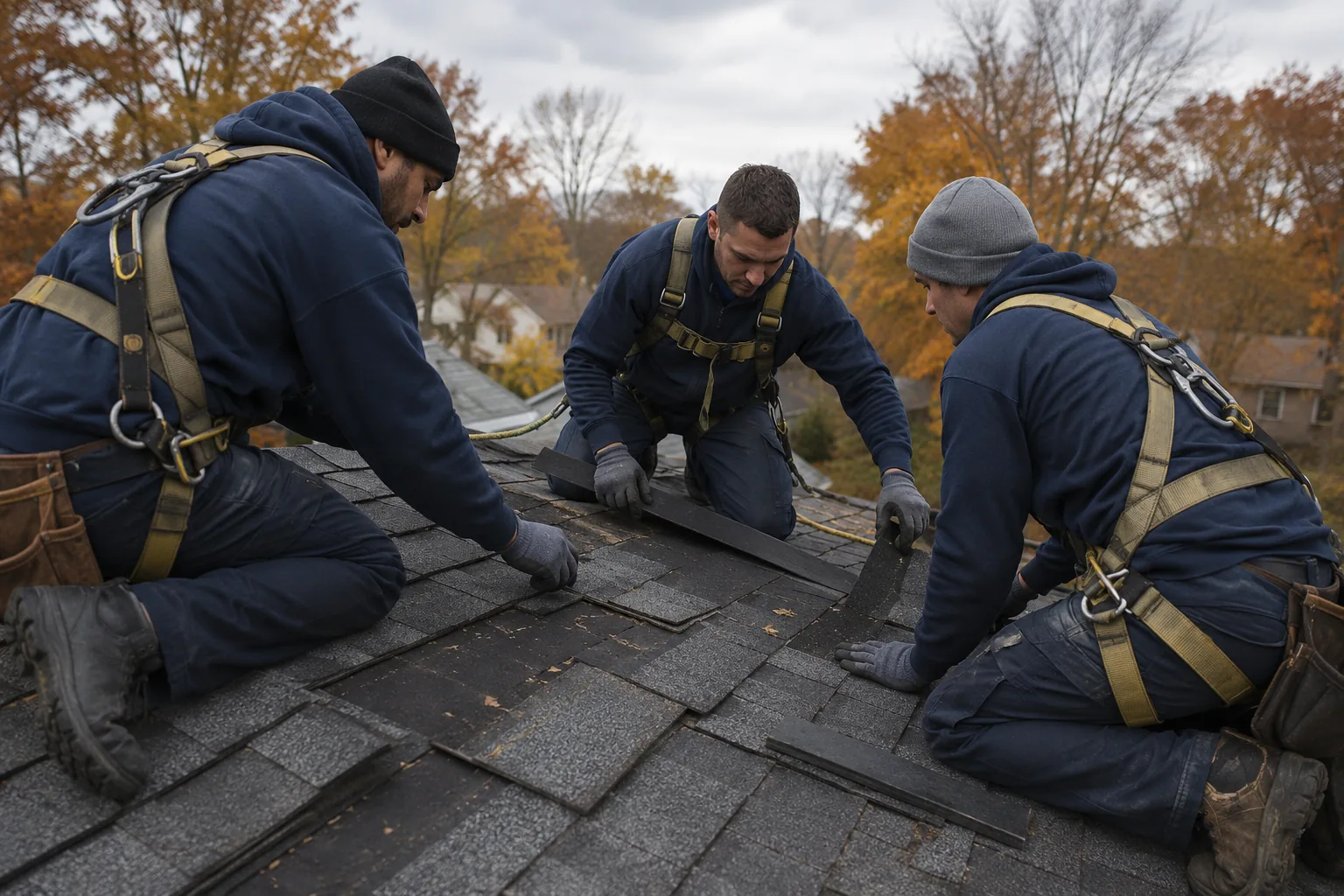
A maintenance backlog becomes easier to manage when every request is assessed using the same criteria. Arrival time alone is a poor priority rule: a newer report of an active leak or unsafe entrance may need attention before an older cosmetic repair. The property’s emergency plan and applicable law always take precedence.
Use a consistent triage sequence
- Immediate safety: Is anyone exposed to fire, electrical, structural, security, or access danger?
- Active damage: Is water, weather, or equipment failure causing damage right now?
- Essential service: Does the issue affect heat, water, sanitation, access, or another critical function?
- Spread and recurrence: Could delay make the repair larger, or has the issue returned?
- Routine condition: Can the item be scheduled without creating a safety or operational risk?
Collect enough information to decide
Ask for exact location, time noticed, whether the condition is active, who is affected, and a safe photo if available. Route technical or ambiguous issues for assessment instead of guessing at a severity score from a vague description.
Make the queue visible
Track priority, owner, status, target date, parts or vendor dependencies, and next update. If the date changes, record why and communicate it to affected occupants. Review aging items weekly and identify approvals or procurement delays that need management attention.
Learn from repeat work
Review recurring tickets and emergency calls monthly. A repeated leak, door failure, or HVAC complaint may justify a root-cause assessment or a preventative task. Prioritization is not simply closing the most tickets; it is directing effort toward safer, more reliable buildings.