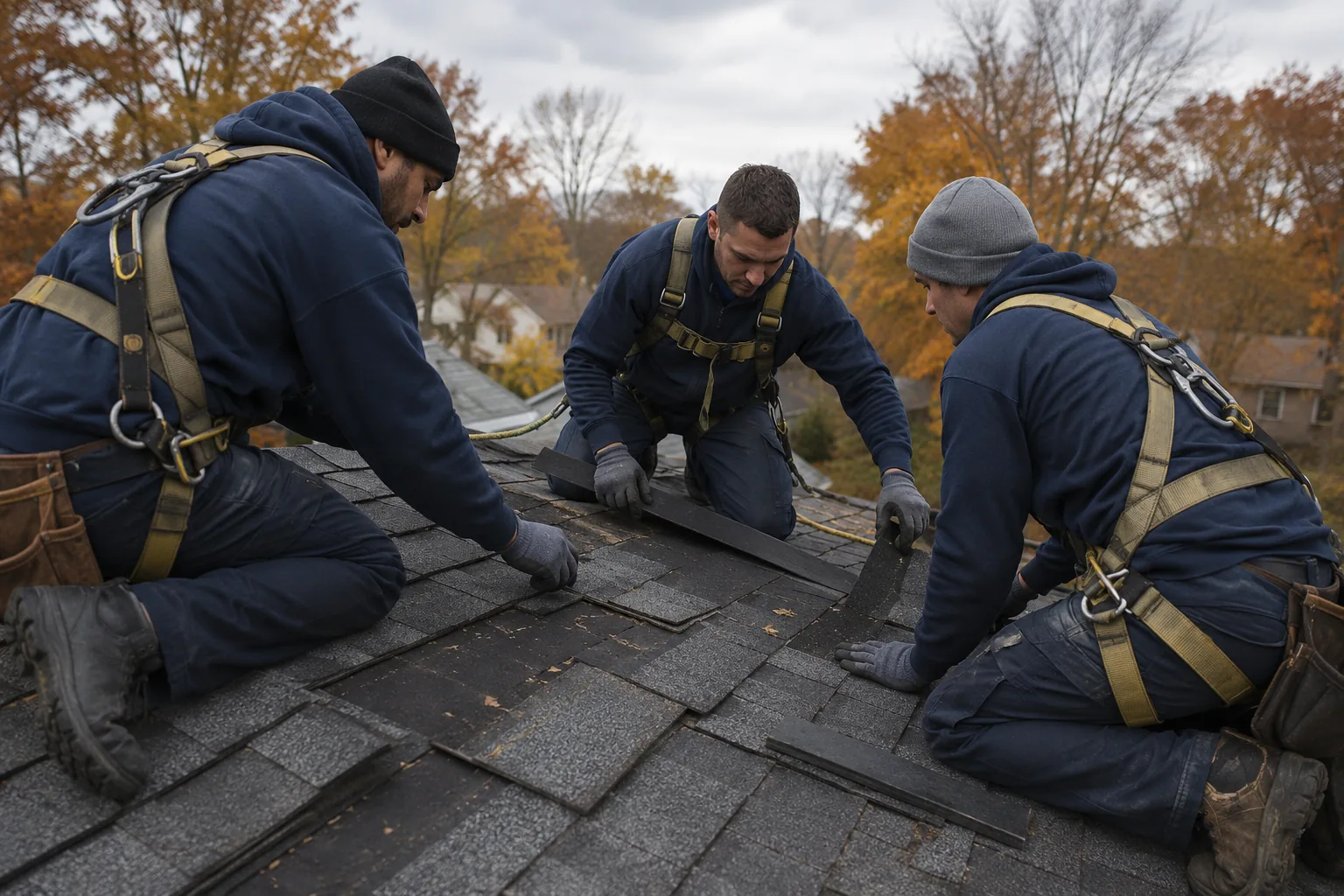
Mold prevention starts with moisture control. Spores are common indoors and outdoors; persistent dampness gives them a chance to grow on building materials. Owners and managers can reduce risk by finding water sources quickly, maintaining drainage, and following up when materials do not dry.
Look for moisture, not just visible growth
Inspect after plumbing leaks, roof problems, appliance failures, and flooding. Check around windows, under sinks, near water heaters, and in rooms with recurring condensation. Musty odors, peeling paint, warped trim, and repeated stains can signal a hidden moisture problem, but appearance alone cannot identify the source or health risk.
Control common sources
- Repair leaks and drainage problems promptly.
- Use bathroom and kitchen exhaust fans as designed and keep their outlets clear.
- Maintain HVAC condensate drains and follow equipment service guidance.
- Keep gutters and downspouts discharging away from the building where site conditions permit.
- Dry wet materials promptly and document the date and affected area.
Know when not to DIY
Do not dry-brush, sand, or disturb suspected mold growth; that can spread dust. Extensive growth, sewage or flood contamination, concealed cavities, or occupants with health concerns call for qualified advice. The EPA recommends addressing the moisture source as part of cleanup. Health questions should go to a medical professional, not a maintenance contractor.
Close the loop
After repairs, verify that the source is corrected and that affected materials are dry before rebuilding or repainting. Keep before-and-after photos, repair invoices, and any professional assessment with the property record. A simple moisture-response procedure makes it less likely that a small leak becomes a repeat indoor-air concern.