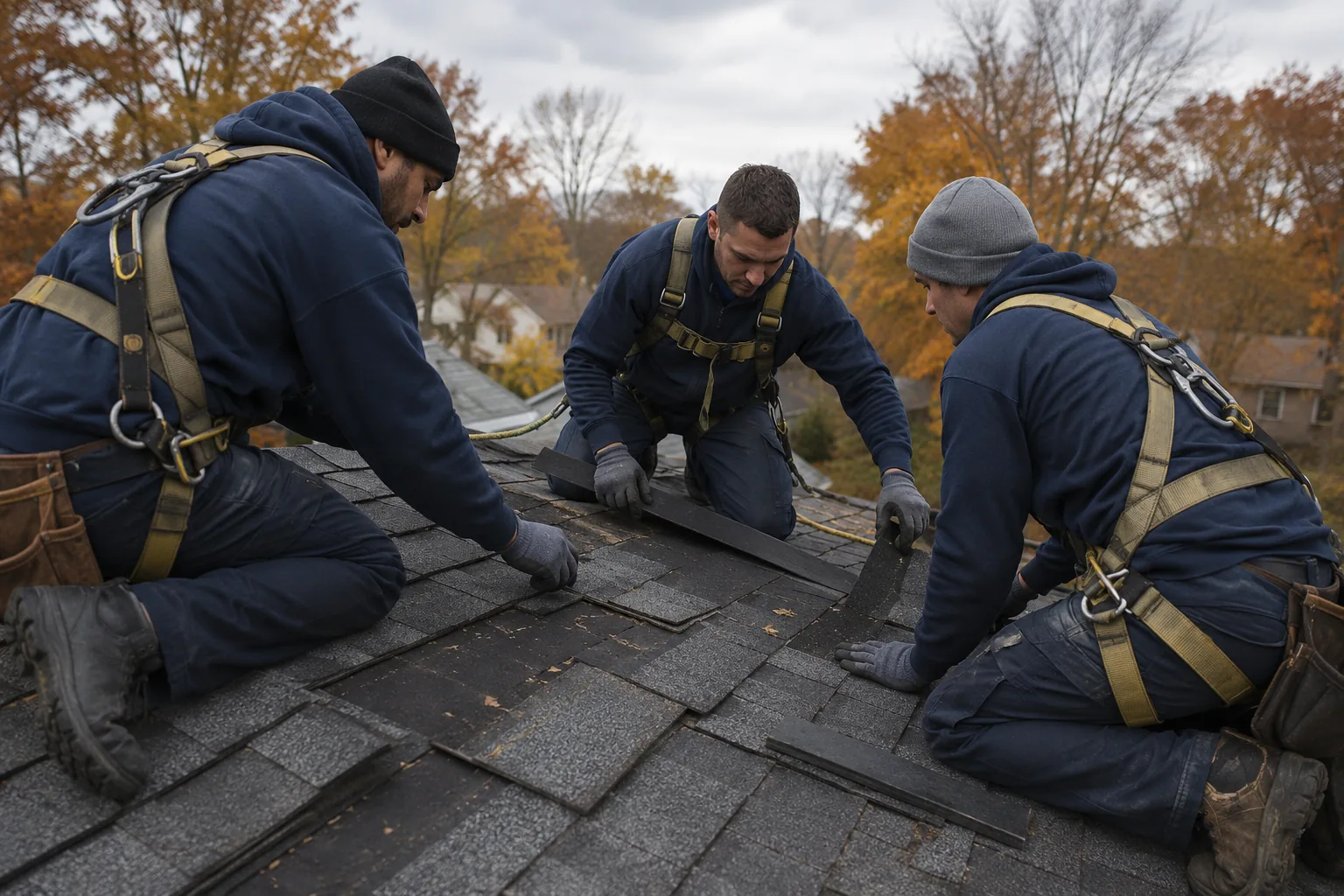
Storm readiness is a set of decisions made before weather arrives: who is responsible, how occupants receive information, and which building systems need professional attention. Plans should reflect the property's location, tenant needs, insurance terms, and emergency procedures.
Before the forecast worsens
- Confirm current emergency contacts, after-hours numbers, and who can authorize work.
- Check that doors and windows latch and that loose outdoor items are secured.
- Review roof drainage, accessible storm inlets, and known water-entry locations.
- Back up critical records and keep equipment instructions accessible.
- Identify any occupants who may need assistance and follow privacy rules.
Plan for loss of power
Know how to report an outage and whether critical equipment has approved backup power. Never operate a fuel-burning generator indoors, in a garage, or near openings; carbon monoxide can be fatal. Generator installation and transfer equipment require qualified professionals. Do not assume elevators, pumps, access controls, or fire systems will operate during an outage.
During and after the event
Follow official warnings and keep people away from flooded areas, damaged structures, and downed lines. After conditions are safe, inspect from the ground and document roof, exterior, drainage, and interior conditions. Treat water near electrical equipment as hazardous. Coordinate significant damage with emergency responders, insurers, utilities, and qualified contractors.
Review the plan afterward
Record what worked, what failed, and which supplies or contacts were missing. Update emergency procedures and maintenance scopes before the next season. A brief after-action review turns each storm into more useful preparation for the property team.